
The Police and the Limits of Proof
The Pale HorseLejeune’s inquiry reveals how a real criminal scheme can remain difficult to prosecute when its participants hide behind lawful appearances and incomplete evidence.
increasing Bearing strength in each event
 decreasing
Bearing strength in each eventdecreasingA Suspicious List
Evidence Without an Explanation
A Legal Problem Begins
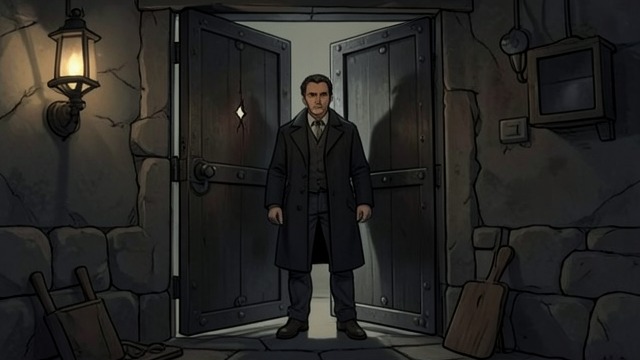
Lejeune recovers a list of names but cannot say what it records or why the priest carried it. The murder may be robbery, yet the hidden paper implies an alternative motive.
The police have a clue but no clear offense connected to the names. Their first challenge is interpretation rather than arrest.
Bradley’s Technical Defense
Betting Without an Admission
Words Carefully Chosen
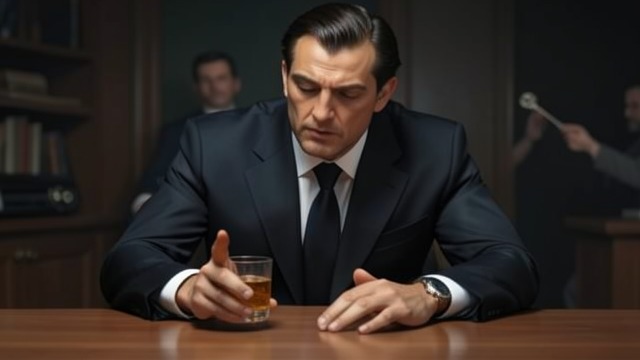
Bradley presents the client arrangement as a wager and stresses that people may bet on almost any outcome. He avoids openly promising to kill anyone or explaining how a death would occur.
Lejeune understands that the conversation cannot support a charge by itself, especially without a witness or recording. Bradley’s legal caution protects the operation from straightforward prosecution.
A Conspiracy in Fragments
The Participants Know Little
A Difficult Case to Assemble
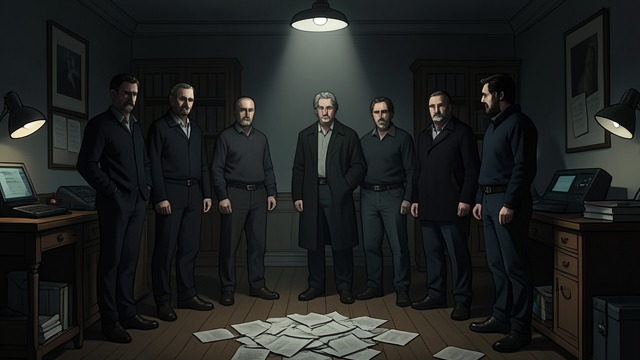
Lejeune believes there is an organization but has only scattered names, natural causes of death, and an account of occult claims. Even Thyrza could boast about her powers without proving a legally actionable killing.
The scheme is designed so that no one witness can explain the whole chain. The police need a physical mechanism and a participant who can connect the hidden roles.
A Medical Clue Changes the Case
The Search Becomes Material
From Theory to Test
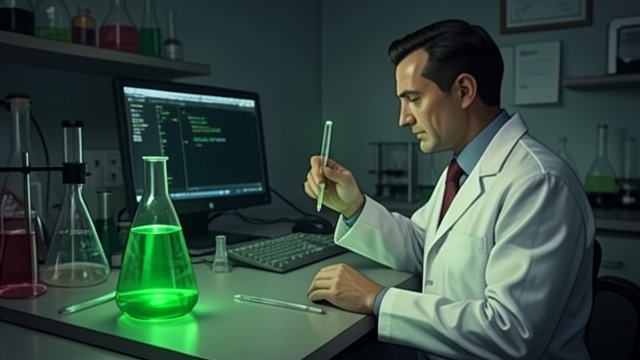
Mark’s recognition of thallium gives the police a substance that can be tested and a symptom pattern shared by earlier victims. The case no longer depends on proving death by suggestion.
Lejeune can now investigate access to household products, the survey records, and Osborne’s movements. A scientific clue makes the hidden violence legally legible.
A Confrontation Built to Break
Controlled Exposure
The Final Police Strategy
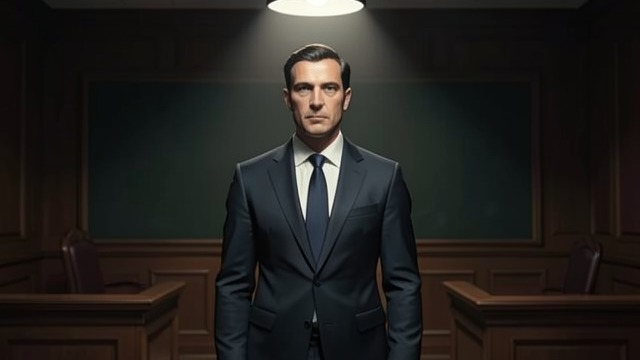
Lejeune brings Osborne to Priors Court and first speaks as if Venables may be the culprit. He then reveals that Osborne planted the poison and followed Father Gorman himself.
Because the evidence and performance converge at the same moment, Osborne loses control and begins to boast. The police turn a fragmentary case into an arrest by exploiting the suspect’s need to dominate the story.
Immediately after Father Gorman’s murder
After Mark reports his first meeting with Bradley
During Lejeune’s discussion with Mark
After Ginger’s hair begins to fall out
At Priors Court three weeks later
